Holly Greenman (Chippenham)
The new round of the Slurry Infrastructure Grant is due to launch in November, and numerous changes to the previous round have been announced.
One of these improvements is that DEFRA / RPA are introducing an option for landlords to underwrite grant funding agreements. This means that your landlord can agree to take over the project. For example, by undertaking conditions imposed, either themselves or by ensuring a new tenant fulfils the obligations of the grant funding, if your tenancy ends before this term expires (five years after project completion and payment of funds). Landlords can also now give loans to applicants for the grant items to be purchased before the money is claimed back.
It’s a small step, and not something I see many people making use of as part of the grant in practice, however it does serve one very useful purpose and that is the opening of conversations between tenants and their landlords over the future and investment into something that brings no financial benefit to the farm business but has everything to do with ensuring the farm is operable and legal.
I have in recent months been fortunate enough to visit many dairy farms in conjunction with the Farm Resilience Scheme, with particular focus on preparing failed Round 1 applicants of the Slurry Infrastructure Scheme for the launch of the next round and reviewing funding potential through this and alternative grant areas in order to reach a minimum four month storage, as outlined in the Farming Rules for Water.
It saddens me so deeply to say, but so often I can see which are tenant farms and which are owner occupied farms before I get out of the car. I know that, particularly on AHA tenancy farms, many of my suggestions for improving the farm’s slurry facilities are going to be met with “can’t afford it, landlord won’t help, no guarantee of succession, no benefit to us to improve”.
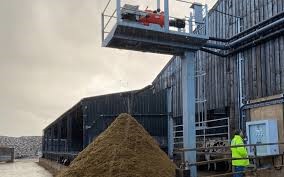
This simply has to stop being the case. When costs for these projects are easily floating around the half a million pound investment mark, how can tenants still be expected to entirely foot this bill, with no adjustment made to their rent for improving sustainability or reducing environmental impact? What is to be done to engage landlords into conversations, seeing that it is their farms are the ones with the environmental hazard waiting to happen? Of course, a tenant must fulfil good practice and maintenance obligations, but the leaps the government is making in requirements for the storage, handling and treatment of slurry and dirty water is beyond usual expected improvements and many farms are barely legal, let alone compliant.
We all are told we need to work together to turn around and put right mistakes made by our predecessors, to widen our environmental consciousness, to reduce our carbon footprints as much as possible and to be ultra- aware of the consequences of all of our actions lest the earth turn to dust and the polar bears starve. Where is the consciousness of the landlords of these farms, and where is the compulsory call to action for them?
Contact Holly at hollygreenman@fcgagric.com or your local Office, for further advice on slurry and dirty water regulations.
Categories
- Andover
- Arable & Crops
- Avon Meadow Sheep Group
- Beef
- Business Briefing
- Business Briefings
- Business Management
- Calne Dairy
- Carmarthen
- Chippenham
- Dairy & Forage
- Dairy Farming
- Discussion Groups
- Diverse Swards Group
- Diversification
- Environment
- Farm Assurance
- Gillingham Grazers
- Gloucester
- Grant Funding
- Guest article
- Health and Safety
- Human Resources
- Lincoln
- Midwest Grazers
- Milkwell Group
- News
- North Wiltshire Arable Group
- Office
- Organic
- Pigs
- Planning
- Regenerative farming
- Sheep
- Sherborne
- Soil
- South West
- Staff News
- Stafford
- Technical Update
- Uncategorized
- Wessex
- Wessex Springers
- WHDDG