Allaster Dallas (FCG Midwest)
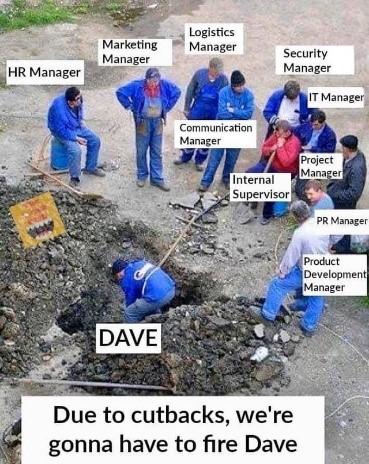
The topic around farm tables and yards is currently summed up by a topical WhatsApp. Eight people are standing around a hole being dug by Dave. Several people are standing around the hole watching Dave: HR manager, communication manager, security manager (you get the picture!). The caption at the bottom of the picture states that due to cutbacks, we’re going to have to fire Dave!
With the current government seeming hell-bent on cutbacks, it seems as if UK agriculture is Dave. Many businesses feel that they have been unfairly chosen to bear the brunt of badly timed policies and poor decision-making that won’t help them or the country in the long term.
Farming has always been a long-term game, and some decisions require a bit of support if a business is to make the right choice. Rather than spin off into an article about equity vs liquidity of assets and the role of taxation in the mix, this article is about trying to pick your way through the fog of short-termism.
Some sectors in the UK have seen margins increase over the last 12 months. This comes from a period of low prices, and coffers have to be filled. There are also uncertainties in long-term investments, changing diets, and business succession.
The gap is widening between businesses within each sector; the top and the bottom are becoming more profound.
Some sectors are suffering from global competition, tariffs, and availability, which all affect marketing. It’s of little comfort that global agriculture is facing the same issues. In the US, arable margins have not looked as bad since 2010. Inflation, tariffs, and competition are all taking their toll.
What can producers do? Be mindful of the long game and be positive. (It’s easier said than done! As my ex-farming colleagues say, it’s easier to say it than do it!).
Short term
Know your cost of production – look at what you have done in detail. If possible, look at what worked and, more importantly, what didn’t. In some areas, forage crops don’t get appropriately costed. Does your farm constantly redrill a lot of places in the spring? How frequently does this happen?
Medium-term
Compare against similar businesses—benchmarking is a good way to analyse your performance against your peers. Look at all of your costs. Measuring margin over purchased feed, for example, is only exciting if all your other costs are in line or under the rest.
Maintaining a budget – Planning a budget allows cash flow to be maintained. Maintaining cash flow allows a business to act quickly when opportunities arise, such as capital purchases or land availability.
Pricing strategies: buying forward at a known price allows budgeting.
Long term
A business that can manage these factors will get finance. As a dairy farmer explained, when prices go really low, you can’t pay the bills. You know it, and your suppliers know it! All of you rely on the relationship you have with each other and with the bank. Businesses with a strong track record of managing cash and communicating capital reinvestments will survive volatility more easily than ones that don’t.
Don’t forget opportunity—in all of the excitement of cost control, it can be too easy to forget the lost opportunity to timely apply inputs such as feed or fertiliser and maximise returns.
To review your business and highlight what you can do differently in the short , medium and longer term to stay ahead of the game, contact Allaster at allasterdallas@fcgagric.com or your local FCG Office.
Categories
- Andover
- Arable & Crops
- Avon Meadow Sheep Group
- Beef
- Business Briefing
- Business Briefings
- Business Management
- Calne Dairy
- Carmarthen
- Chippenham
- Dairy & Forage
- Dairy Farming
- Discussion Groups
- Diverse Swards Group
- Diversification
- Environment
- Farm Assurance
- Gillingham Grazers
- Gloucester
- Grant Funding
- Guest article
- Health and Safety
- Human Resources
- Lincoln
- Midwest Grazers
- Milkwell Group
- News
- North Wiltshire Arable Group
- Office
- Organic
- Pigs
- Planning
- Regenerative farming
- Sheep
- Sherborne
- Soil
- South West
- Staff News
- Stafford
- Technical Update
- Uncategorized
- Wessex
- Wessex Springers
- WHDDG