Allaster Dallas (FCG Midwest)
There are numerous complex issues surrounding the relationship between cows and their food sources. Most rationing starts with dry matter intakes. But boiling down to the basics, a cow on whatever system must have food in front of her. Once you have the cow and the food together in one place, you can start to worry about the energy and protein that determine the output after maintenance.
How hard you decide to make this process is up to the individuals involved. It’s easy to blame the farmer, but the cows have been known to not be in the place you thought you left them!
Basic questions:
What do you want to get out? There are a lot of rations fed for 50 litres plus. (The concentrate price is low; keep chucking it in!) If energy is not used in maintenance or production, the cow will store this energy as fat. Fat cows in late lactation are a problem in the subsequent lactation. Ketosis, dystocia and underlying milk fever are significant causes of lost production in the following lactation. Target feed to output and watch out for unintended consequences of overzealous concentrate feeding.
Is the food in front of the cow? At this time of year that might be easier said than done. Grass growth rates are slowing, and cows are rejecting more as patches become soiled. Topping may be tempting, but it is a good way to further reduce growth rates. Slowing down the round by buffer feeding might be an option.
Plan the buffer feeding based on the amount of pasture in the field. I like a simple system, but it helps to have a system in the first place. A bale or one tonne is an adequate unit of measurement as long as you know you don’t need two bales or two tonnes. This type of rationing is based on guesswork, and the amount of buffer put out is linked to the hope that there is enough grass in the field. If too much concentrate is fed with not enough buffer or grass available, the cows can show signs of acidosis, reducing milk production further.
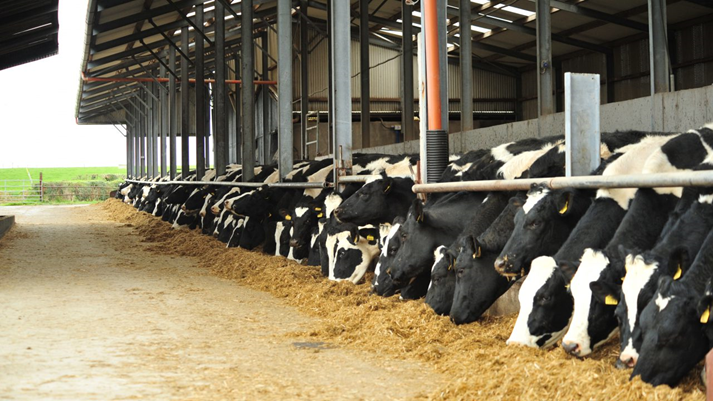
Is the cow in front of the food? Not quite the same question, and extremely simple to unplay and ignore. Cows need as much time as possible to eat and rest. That’s it in a nutshell. If they are walking, standing, or doing anything else, they are expending energy that could be used for milk production. If it takes three hours to milk and 30 minutes to walk each way to a paddock, that’s time not available to eat or sit down. If you set yourself a challenge, next time you have five minutes to do a quick audit of the time your livestock are in the process of your set routines. I bet you can shave between 30 minutes and one hour off a cow’s milking routine per day.
There must be enough feed space, cows will want to eat all at once. Cows will sort feed in whatever form it comes in from bales to fresh grass. Buffer feed can get pushed away from the feed fence and be unobtainable.
Most of this article is about the physical barriers people put up in front of the livestock to prevent them from achieving the maximum output. Flip it round and think what can be done to make cows want to eat.
For an independent review of your whole feeding system, contact Allaster at allasterdallas@fcgagric.com or your local FCG Office
Categories
- Andover
- Arable & Crops
- Avon Meadow Sheep Group
- Beef
- Business Briefing
- Business Briefings
- Business Management
- Calne Dairy
- Carmarthen
- Chippenham
- Dairy & Forage
- Dairy Farming
- Discussion Groups
- Diverse Swards Group
- Diversification
- Environment
- Farm Assurance
- Gillingham Grazers
- Gloucester
- Grant Funding
- Guest article
- Health and Safety
- Human Resources
- Lincoln
- Midwest Grazers
- Milkwell Group
- News
- North Wiltshire Arable Group
- Office
- Organic
- Pigs
- Planning
- Regenerative farming
- Sheep
- Sherborne
- Soil
- South West
- Staff News
- Stafford
- Technical Update
- Uncategorized
- Wessex
- Wessex Springers
- WHDDG