Kimberley Broughton (FCG WhiteAvon)
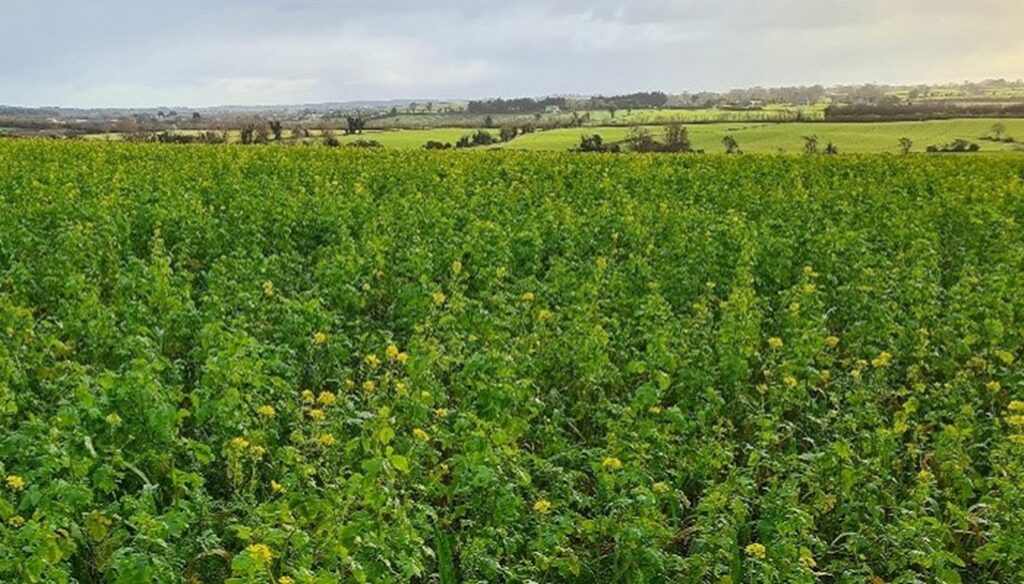
As farmers look towards more sustainable practices, cover crops have emerged as one of the most powerful tools for soil health and productivity. These non-cash crops, such as clover, rye, vetch, and radishes are planted primarily to benefit the soil rather than for harvest. Their importance extends far beyond the growing season, offering long-term benefits that can improve both the environment and a farm’s bottom line.
Cover crops play a vital role in preventing soil erosion. Their root systems help anchor the soil, reducing runoff and keeping valuable topsoil in place. This is especially critical during off-season months when fields would otherwise remain bare and vulnerable to the elements. Well-developed cover crops can return 1–3 tonnes per hectare of organic matter, which supports healthy populations of earthworms and soil microbes. Deep-rooted species promote soil structure and moisture retention. They also help reduce waterlogging in wet winters, improving spring cultivation and germination. However, on lighter soils during unusually dry winters, cover crops might remove too much moisture, so consider local rainfall and soil types when planning.
In addition to erosion control, cover crops significantly enhance soil fertility. Leguminous varieties, like clover and vetch, naturally fix nitrogen from the air into the soil, reducing the need for synthetic fertilizers. Others, such as radishes, break up compacted soil layers, improving aeration and water infiltration. Species such as brassicas can significantly reduce nitrate leaching from the soil when sown early, with deep rooting species such as radish and turnips reducing nitrogen leaching into watercourses by up to 40%. Plus, by building organic matter and enhancing carbon sequestration, they play a small but meaningful role in combating climate change.
Another major advantage of cover crops is their important part in integrated weed, pest, and disease control strategies. They suppress weeds by competing for light, water, and nutrients, and can disrupt pest life cycles. Flowering varieties attract beneficial insects including lacewings, parasitic wasps, and pollinators such as bees to improve natural pest control. However, your cover crop choice is key, as some species may serve as a “green bridge,” encouraging pests or becoming weeds themselves.
Often cover crops and seed mixes can be expensive which is why SFI was vital in encouraging their use in England. Although we hope to see the return of SFI with the cover crop options, some local water companies will provide funding to reduce nitrate leaching such as Severn Trent’s Environmental Protection Scheme (STEPS) opening soon for 2025.
Incorporating cover crops into a rotation plan may require adjustments, but the return in soil health, reduced inputs, and increased resilience is worth the extra work. Studies have shown that early sown cover crops (late august) are the most effective and ensure maximised benefits. For farmers aiming to build more productive and sustainable systems, cover crops are an essential.
Contact Kimberley at kimberleybroughton@fcgagric.com or your local FCG Office, for more information on cover crops.
Categories
- Andover
- Arable & Crops
- Avon Meadow Sheep Group
- Beef
- Business Briefing
- Business Briefings
- Business Management
- Calne Dairy
- Carmarthen
- Chippenham
- Dairy & Forage
- Dairy Farming
- Discussion Groups
- Diverse Swards Group
- Diversification
- Environment
- Farm Assurance
- Gillingham Grazers
- Gloucester
- Grant Funding
- Guest article
- Health and Safety
- Human Resources
- Lincoln
- Midwest Grazers
- Milkwell Group
- News
- North Wiltshire Arable Group
- Office
- Organic
- Pigs
- Planning
- Regenerative farming
- Sheep
- Sherborne
- Soil
- South West
- Staff News
- Stafford
- Technical Update
- Uncategorized
- Wessex
- Wessex Springers
- WHDDG