Hannah Webber (FCG WhiteAvon)
Across England, Wales and southern Scotland, prolonged dry weather and record-low rainfall have left pastures parched. Records show it was the driest March to July period since 1921 across central and north-east England.
Forage Crisis: Grass Yields Down, Prices Up
The first and most immediate impact has been seen on grass growth. Reports from across the country show grass yields are down by 50% to 80% in some areas. Where second cuts yields have been extremely low, and many livestock producers have already had to dip into winter forage stocks just to keep herds fed.
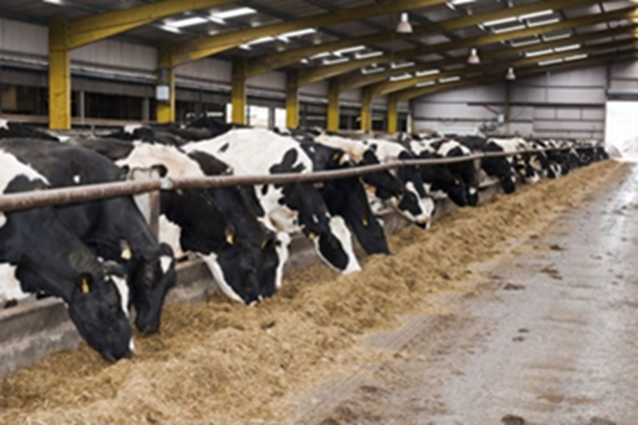
Silage stocks are well below target. Some farms didn’t even get a second cut. Those who did often found it light, dry, and short on energy. On top of that, hay and haylage prices have skyrocketed. Haylage that might have cost £35 a bale this time last year is now going for £60 or more, and demand is ever increasing.
Many farmers are turning to purchased feed to make up the gap, feed barley and oats are up in price, with the feed oat market especially tight due to lower domestic yields and higher milling premiums.
Arable Yields Also Suffering
It’s not just the livestock sector feeling the pinch. Arable growers are seeing real losses across key combinable crops. Wheat and barley crops have matured early due to heat and water stress, leading to lighter grains and lower bushel weights. Harvests have kicked off up to two weeks ahead of schedule in some areas, but yields are widely down 20–30%, and quality is variable.
In the vegetable sector, things are no better. Where irrigation has been limited or restricted, crops like potatoes, onions and carrots are coming in small or uneven.
Knock-On Effects and What’s Next
The consequences of this drought will extend well beyond the current harvest. Many livestock producers will be short of forage by the time winter sets in. Rationing, early weaning, or selling stock early are already being considered on some farms. And for those who rely on selling hay, silage, or straw as a cash crop, volumes simply aren’t there this year.
Meanwhile, cashflow is a looming concern. Lower yields and higher input costs squeezing margins across all sectors. There’s also concern about the knock-on effects to soil health and reseeding plans if rainfall doesn’t return soon.
To discuss your forage option plans, contact Hannah at hannahwebber@fcgagric.com or your local FCG Office.
Categories
- Andover
- Arable & Crops
- Avon Meadow Sheep Group
- Beef
- Business Briefing
- Business Briefings
- Business Management
- Calne Dairy
- Carmarthen
- Chippenham
- Dairy & Forage
- Dairy Farming
- Discussion Groups
- Diverse Swards Group
- Diversification
- Environment
- Farm Assurance
- Gillingham Grazers
- Gloucester
- Grant Funding
- Guest article
- Health and Safety
- Human Resources
- Lincoln
- Midwest Grazers
- Milkwell Group
- News
- North Wiltshire Arable Group
- Office
- Organic
- Pigs
- Planning
- Regenerative farming
- Sheep
- Sherborne
- Soil
- South West
- Staff News
- Stafford
- Technical Update
- Uncategorized
- Wessex
- Wessex Springers
- WHDDG