Gerard Finnan (FCG Midwest)
Listening to a podcast recently on Somatic Cell count and mastitis, it reminded me of most of the key advice with lowering cell count was about getting back to basics, attention to detail and consistency in implementing key actions. The milking routine is an area taken for granted and assumed that it is done consistently and with due care and attention. Here are a few reminders
1.Use disposable gloves when milking to prevent cross infection via your hands.
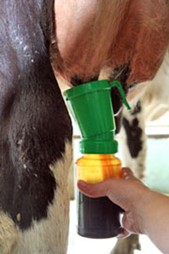
2. Teat spray using 15ml of solution per cow per milking. That’s 6 litres per day for 200 cows milked twice. How much are you using? It has been shown that effective teat spraying will reduce new infection significantly.
3. Check rubber ware for leaks, ensure the bleed hole on claw pieces are working properly. Replace liners every 2000 milkings. Check the milking machine at least twice per year. It is the most important machine on a dairy farm.
4. Identify high cell count cows with regular milk recording. If these are milked with other cows, then clusters need to be effectively dipped in a clean solution of peracetic acid with two claws max dipped at a time enabling air to escape to make way for the rapid full immersion of the liners in solution. Alternatively, don’t milk these cows initially, draft them out in a group of high cell count cows and milk last. A high cell count cow can cross infect the next 5-6 cows miked through the same cluster if an effective preventative routine is not in place.
The above might all sound logical and what should be carried out. How many different people milk your cows? Is everyone carrying out the same routine and understand the consequences of their actions?
Quite often when there is a change of personnel milking, cell counts, and mastitis can improve or deteriorate dramatically. Who is showing and teaching the less experienced milkers in your team to produce low cell count and low bactoscan milk?
The difference between a 250,000 cells/ml and 150,000 cells/ml cell counts for a 200-cow herd is £24k (or 1.6ppl) per year due to lost milk production, increased culling, higher cross infection risks and potential for more mastitis cases to treat.
Contact Gerard at gerardfinnan@fcgagric.com or your local FCG Office, or your Vet, for practical advice on reducing cell counts and mastitis in your herd.
Categories
- Andover
- Arable & Crops
- Avon Meadow Sheep Group
- Beef
- Business Briefing
- Business Briefings
- Business Management
- Calne Dairy
- Carmarthen
- Chippenham
- Dairy & Forage
- Dairy Farming
- Discussion Groups
- Diverse Swards Group
- Diversification
- Environment
- Farm Assurance
- Gillingham Grazers
- Gloucester
- Grant Funding
- Guest article
- Health and Safety
- Human Resources
- Lincoln
- Midwest Grazers
- Milkwell Group
- News
- North Wiltshire Arable Group
- Office
- Organic
- Pigs
- Planning
- Regenerative farming
- Sheep
- Sherborne
- Soil
- South West
- Staff News
- Stafford
- Technical Update
- Uncategorized
- Wessex
- Wessex Springers
- WHDDG