Kimberley Broughton (FCG WhiteAvon)
Farms are often shown to be a large contributor to greenhouse gas emissions and having a greater carbon usage than other industries within the food chain. Carbon emissions are also an indicator of efficiency, therefore, it is important that we reduce the amount of carbon we use and release on farm not only for environmental benefits but also to reduce costs (on fuel, fertiliser or electricity etc.), improving resilience and meeting the market demand.
With the rise in customers and supermarkets caring more about their carbon footprint, it is becoming more important for farms to look into theirs and ways they can reduce it. Consequently, reducing the carbon footprint of our buyers. For example, 80% of the total carbon required to produce a litre of milk is on farm before it even leaves the farm gates. If the farm reduces its carbon requirements to produce that same litre of milk, then the carbon inputs of the distributer will also decrease.
Carbon calculators look at 3 different areas which contribute to your footprint:
Scope 1 – Direct emissions from sources the company owns
Scope 2- Indirect embedded emissions from purchased energy e.g. electricity, steam, heat and farm or processor purchases
Scope 3- All other indirect emissions from company value chain emissions in the supply chain.
There are many ways you could look to reduce your carbon footprint on farm:
- Improving soil health and biodiversity – e.g. planting cover crops or using more diverse seed mixes including legumes and herbal leys to reduce your input requirements but increase the quantity and quality of crop produced.
- Reduce chemical usage on farm – e.g. fertilisers, by using variable rate application or crop rotations and cover/ break crops to reduce disease burden and increase soil health/productivity.
- Looking to alternative new energy sources – e.g. solar panels or wind turbines.
- Covering your muck stores or slurry pits to reduce rainfall falling on the area and gases released.
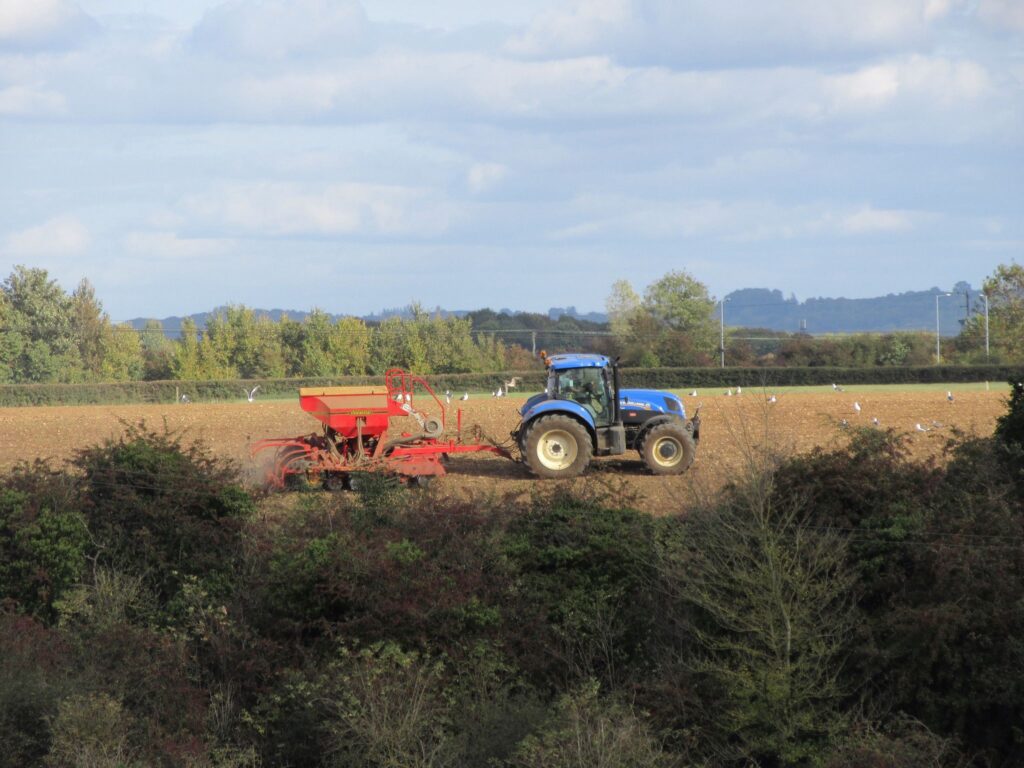
- Reduce tillage on farm – e.g. move to direct drilling or ploughing every 3-4 years rather than every year.
- Extend your grazing season to reduce bedding, purchased feed requirements and electric usage etc. – this can be promoted by the improvement of soil health and biodiversity within the grassland.
- Improve the genetics of your livestock to increase productivity – e.g. milk yield, fertility and calving age and also therefore reduce time on farm and their carbon requirements but increasing outputs.
- Reduce fuel usage on farm – e.g. buying products more locally, less cultivation/input passes on land, or look to electric alternatives.
- Improve the infrastructure or upgrade equipment/machinery on farm which could improve health and productivity of livestock or crops and reduce electricity/fuel consumption etc.
- Use a carbon calculator to monitor carbon usage on farm to see areas for improvement.
- Use more carbon efficient livestock feed – e.g. finding food locally produced or reducing/replacing soya such as using RTRS (Round Table on Responsible Soy) certified soya which does not require deforestation or land use change.
The key is that you need to reduce your carbon usage on farm while increasing or maintaining your outputs (e.g. milk, eggs, meat, grain) so that your overall carbon footprint decreases per unit of output.
A lot of small changes on your farm can add up and make a big difference! Contact Kimberley at kimberleybroughton@fcgagric.com , or your local FCG Office for help in starting the process.
Categories
- Andover
- Arable & Crops
- Avon Meadow Sheep Group
- Beef
- Business Briefing
- Business Briefings
- Business Management
- Calne Dairy
- Carmarthen
- Chippenham
- Dairy & Forage
- Dairy Farming
- Discussion Groups
- Diverse Swards Group
- Diversification
- Environment
- Farm Assurance
- Gillingham Grazers
- Gloucester
- Grant Funding
- Guest article
- Health and Safety
- Human Resources
- Lincoln
- Midwest Grazers
- Milkwell Group
- News
- North Wiltshire Arable Group
- Office
- Organic
- Pigs
- Planning
- Regenerative farming
- Sheep
- Sherborne
- Soil
- South West
- Staff News
- Stafford
- Technical Update
- Uncategorized
- Wessex
- Wessex Springers
- WHDDG