Steph Emmerson (FCG WhiteAvon)
Following a recent meeting with a farming client, a clear theme emerged around the importance of long-term planning and making the most of what is currently available through the planning system while keeping future options open.
Many farmers are now in a position where land needs to work harder, not just for current agricultural operations but as part of a wider long-term strategy. This is where permitted development rights can play an important role.
Under Class A permitted development, agricultural buildings can be delivered through a relatively straightforward prior approval process with a 28-day determination period. Up to 1000 square metres can be developed within a two-year period, and the upfront costs are significantly lower than a full planning application. This allows development to be phased, giving flexibility to build as needed rather than committing to a single large scheme.
The key advantage of this approach is not just what it delivers now, but what it protects for the future. Once established, agricultural buildings can potentially be converted after ten years under Class Q for residential use or under Class R for commercial or light industrial purposes. This creates a long term pathway where initial low cost agricultural investment can lead to significantly higher value end uses.
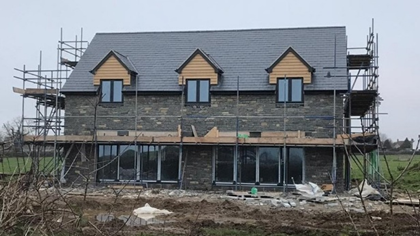
Alongside this, full planning applications remain a viable route where there is a clear case for immediate commercial or industrial development. While this option involves higher planning fees, additional surveys and more upfront commitment, it can deliver certainty and earlier income potential where the site supports it.
What became clear from the discussion is that the most effective strategy is often not choosing a single route, but considering how different options can work together over time. Permitted development can establish a foundation, while full planning or future change of use can be planned in parallel depending on how the site evolves.
Ultimately, the focus is on planning with flexibility. Decisions made now around agricultural buildings and land use can significantly influence what is achievable in ten years time and beyond, making early strategic thinking one of the most valuable tools available to landowners today.
Should you wish to discuss any of the above in more detail or would like to arrange a meeting on your farm to discuss strategic planning opportunities, then please contact Steph Emmerson at stephemmerson@fcgagric.com or your local FCG Office.
Categories
- Andover
- Arable & Crops
- Avon Meadow Sheep Group
- Beef
- Business Briefing
- Business Briefings
- Business Management
- Calne Dairy
- Carmarthen
- Chippenham
- Dairy & Forage
- Dairy Farming
- Discussion Groups
- Diverse Swards Group
- Diversification
- Environment
- Farm Assurance
- Gillingham Grazers
- Gloucester
- Grant Funding
- Guest article
- Health and Safety
- Human Resources
- Lincoln
- Midwest Grazers
- Milkwell Group
- News
- North Wiltshire Arable Group
- Office
- Organic
- Pigs
- Planning
- Regenerative farming
- Sheep
- Sherborne
- Soil
- South West
- Staff News
- Stafford
- Technical Update
- Uncategorized
- Wessex
- Wessex Springers
- WHDDG