Steph Emmerson (FCG WhiteAvon)
For years, farm diversification has meant farm shops, holiday lets, or the occasional wedding barn. But now there is a new, slightly unexpected arrival bouncing onto the rural scene, padel. Think tennis cross squash, smaller, faster, and played off glass walls. And crucially, it’s booming.
Across the UK, demand for courts is outstripping supply, and that has got landowners thinking: could this be the next reliable income stream? The numbers suggest it might be.
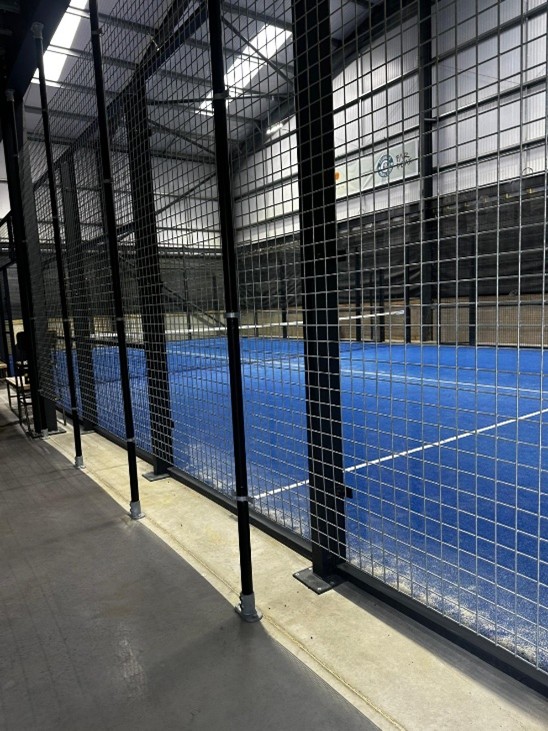
Building a padel court isn’t pocket change, but it’s not out of reach either. Most UK builds land somewhere between £35,000 and £100,000 depending on how ambitious you go. Outdoor courts sit at the lower end, while indoor setups, complete with steel buildings and weatherproofing, push costs higher. The real wildcard, though, is the ground beneath your feet. If you’ve got a flat, well-drained bit of yard or an old tennis court gathering moss, you are already halfway there. If not, groundwork can quietly turn into the biggest expense on the project.
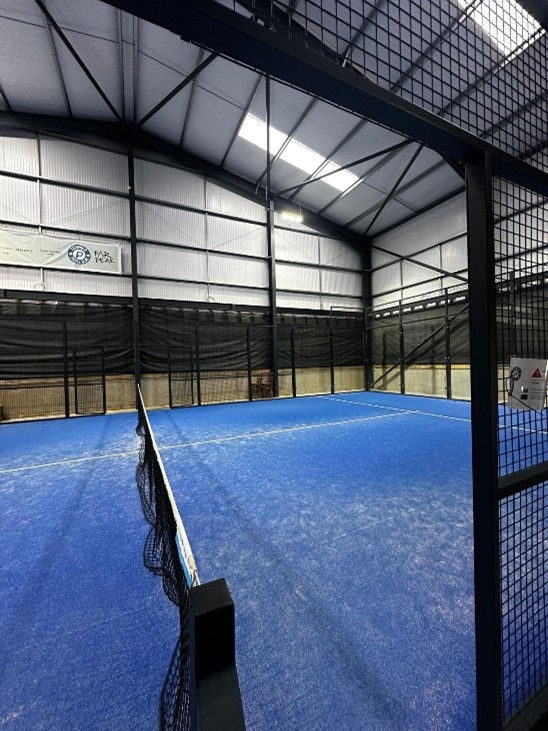
Where padel starts to look very “farm-friendly” is the income side. Courts are typically booked by the hour, often pulling in £20–£60 per session, and well-used sites can generate tens of thousands a year from a single court. With steady demand, it is not unrealistic for a setup to pay for itself within a couple of years. Compared to many diversification ideas, that is a pretty quick turnaround.
But before anyone starts marking out lines in the cattle yard, there are a few realities to consider, starting with planning permission. In most cases, a padel court will count as a change of use from agricultural land, meaning you will need approval from your local council. Lighting is often the sticking point; floodlights can raise concerns about visual impact and disturbance, especially in quieter rural areas. Noise can also come into play – padel is sociable and lively, which is great for business, but not always appreciated by nearby neighbours. If you are close to residential properties, it’s worth thinking carefully about positioning, screening, and operating hours before submitting an application.
Location, in fact, is everything. A beautiful but remote field might be perfect for sheep, but it won’t necessarily fill a booking calendar. The sweet spot is somewhere accessible, within easy reach of a town, near a main road, or close to existing footfall. Farms that already run shops, cafés, or leisure activities have a head start, as padel players tend to linger (and spend). Parking is another big one; a successful court can mean a steady flow of cars, especially during evenings and weekends. If visitors can arrive easily, park comfortably, and maybe grab a coffee while they’re there, you’re onto a winner.
Indoor versus outdoor is another classic British dilemma. Outdoor courts are cheaper and simpler, but they live at the mercy of the weather – which, as we all know, is not always on our side. Indoor courts cost more upfront, but they offer year-round play, fewer cancellations, and often higher booking rates. On a farm, that might mean converting an underused barn into something far more profitable than its original purpose.
There is also something to be said for scale. One court can work, but multiple courts start to turn a side project into a destination. Groups can play together, clubs can form, and events become possible. The cost per court often drops when building several at once, and the overall business becomes more resilient.
Of course, it’s not all smooth serving. Like any diversification, success depends on doing the homework, understanding your local market, checking planning constraints, and making sure the numbers stack up for your specific setup. But for farms in the right location, with the right infrastructure, padel offers something quite rare: a relatively low-maintenance, high-demand venture that brings new people onto the land.
So, while it might not replace wheat or livestock anytime soon, padel is proving that the modern farm can grow more than just crops. Sometimes, it grows a community and occasionally, a very competitive doubles match.
To discuss further, please contact Steph Emmerson at stephemmerson@fcgagric.com or your local FCG Office.
Categories
- Andover
- Arable & Crops
- Avon Meadow Sheep Group
- Beef
- Business Briefing
- Business Briefings
- Business Management
- Calne Dairy
- Carmarthen
- Chippenham
- Dairy & Forage
- Dairy Farming
- Discussion Groups
- Diverse Swards Group
- Diversification
- Environment
- Farm Assurance
- Gillingham Grazers
- Gloucester
- Grant Funding
- Guest article
- Health and Safety
- Human Resources
- Lincoln
- Midwest Grazers
- Milkwell Group
- News
- North Wiltshire Arable Group
- Office
- Organic
- Pigs
- Planning
- Regenerative farming
- Sheep
- Sherborne
- Soil
- South West
- Staff News
- Stafford
- Technical Update
- Uncategorized
- Wessex
- Wessex Springers
- WHDDG