Mat Beale (FCG WhiteAvon)
Good health and safety on farm is essential for protecting workers, animals, visitors, and the farm business itself. Farming is one of the most hazardous industries because it involves heavy machinery, animals, chemicals, uneven ground, and long working hours. HSE statistics for 2024/25 show there were 23 worker fatalities, a rate 22 times higher than the all-industry average. Additionally, 4 members of the public, including 2 children were also killed on farm. The numbers for 2025/26, although not yet published are worse: they show a significant increase with 33 deaths reported so far, and 6 since the beginning of April. Having strong health and safety practices helps prevent accidents, injury, illness, and financial loss.
To start your health and safety journey, ask yourself these questions as a business:
- Do you have a written H&S policy in place, including risk assessments?
- Should an incident occur on your farm, do you feel confident that you have all the relevant documentation in place if a HSE inspection occurs?
- Have you provided all employees with adequate training for their tasks and equipment they use? i.e. telehandler, ATV, handling livestock etc.
- Do you carry out any inductions for new employees? If so, is this recorded?
- Is all your equipment regularly maintained and kept in good condition? Can you prove this?
- Are you confident that anyone coming onto your farm (i.e. staff, contractors, visitors) would feel and remain safe whilst on farm?
- Do you carry out regular site inspections to identify and monitor hazards (i.e. slips and trips, housekeeping, electrics etc)?
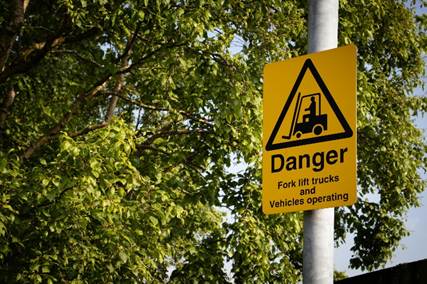
The benefits of implementing health and safety practices on farm go far beyond simple paperwork compliance:
- Protecting Lives and Preventing Injuries
Farms contain many potential dangers, such as tractors, machinery with moving parts, livestock, chemicals, and working at height. Are your health and safety measures – such as training, safe equipment use, protective clothing, and clear procedures – sufficient to reduce the risk of serious injuries or fatalities? Preventing accidents also protects family members and visitors who may be on the farm.
- Improving Worker Health and Well‑Being
Good farm safety goes beyond avoiding accidents; it also supports long-term physical and mental health. Safe manual handling reduces back and joint injuries, while good hygiene and correct chemical handling prevent illness. Managing workload, fatigue, and stress helps farmers and workers stay healthy and productive, especially during busy seasons like harvest or block calving.
- Protecting Livestock and Animal Welfare
Health and safety practices help ensure animals are handled correctly and humanely. Safe handling reduces stress and injury to both animals and workers. Healthy animals are more productive, less likely to spread disease, and improve the overall efficiency of the farm.
- Legal Compliance and Avoiding Penalties
Farmers have a legal responsibility to provide a safe working environment. Following health and safety laws helps prevent fines, legal action, and enforced shutdowns. Keeping records, carrying out risk assessments, and maintaining equipment show that the farm is responsibly managed.
- Increasing Productivity and Efficiency
A safe farm is a more efficient farm. Fewer accidents mean less downtime, fewer staff shortages, and lower insurance and medical costs. When workers feel safe, they are more confident, motivated, and focused, which improves overall productivity.
- Protecting the Farm’s Reputation and Future
Good health and safety standards create trust with workers, customers, inspectors, and the wider community. A well‑managed, safe farm is more likely to attract skilled workers and maintain long-term sustainability.
Good health and safety on farm are vital for protecting people, animals, and the business. By reducing risks, improving well-being, and meeting legal responsibilities, health and safety practices ensure that farming remains safe, productive, and sustainable for the future.
Our Health & Safety Service offers a bespoke service to its clients. No two businesses are the same, therefore neither are their hazards and risks. So why should your Health and Safety policy be the same? We offer practical advice and ongoing support on how best to deal with the hazards on site, using our own experience gained within the industry, and ensure all policies, risk assessments and other supporting documents are kept up together to show compliance with Health and Safety law.
If you would like our help to improve your businesses health and safety, please contact Mathew Beale at mathewbeale@fcgagric.com or your local FCG Office.
Categories
- Andover
- Arable & Crops
- Avon Meadow Sheep Group
- Beef
- Business Briefing
- Business Briefings
- Business Management
- Calne Dairy
- Carmarthen
- Chippenham
- Dairy & Forage
- Dairy Farming
- Discussion Groups
- Diverse Swards Group
- Diversification
- Environment
- Farm Assurance
- Gillingham Grazers
- Gloucester
- Grant Funding
- Guest article
- Health and Safety
- Human Resources
- Lincoln
- Midwest Grazers
- Milkwell Group
- News
- North Wiltshire Arable Group
- Office
- Organic
- Pigs
- Planning
- Regenerative farming
- Sheep
- Sherborne
- Soil
- South West
- Staff News
- Stafford
- Technical Update
- Uncategorized
- Wessex
- Wessex Springers
- WHDDG