Max Sealy (FCG WhiteAvon)
One of the most interesting aspects of Groundswell and in the industry in general is debate over land use and future food production and security. The NFU have recently published their plans for future food resilience and with an increasingly volatile world in terms of markets, proteins and food requirements for the future, this is becoming a topic that will no doubt dominate agricultural policy and farm decisions in coming years.
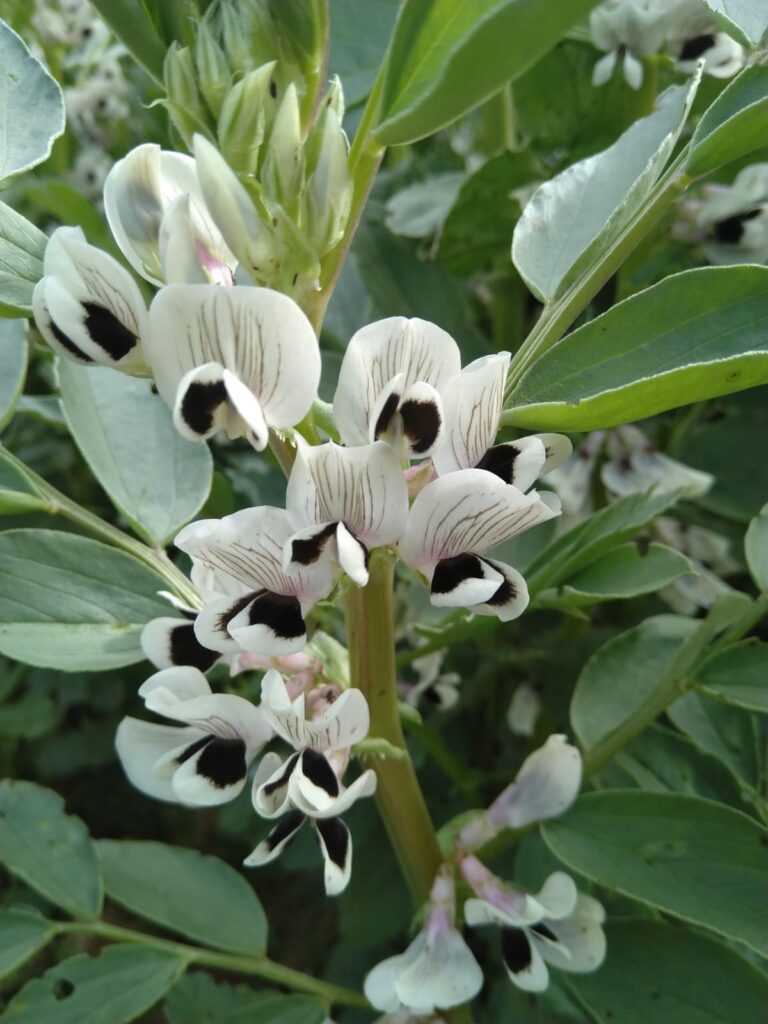
One of the clear anomalies of the current SFI scheme is that farmers are paid £523 per hectare to grow a legume fallow crop for 1 or 2 years. This crop has no food value and whilst there is a potential for soil improvement and nitrogen fixing, the crop does not produce a utilisable protein source.
On the other side of the coin, livestock farmers are reliant on purchased soya and proteins where they could utilise more homegrown proteins. The argument has always been that soya is 44% protein, and beans are at best 26% protein, but that ignores the advances in nutrition and amino acid technology which, with good supplemented diets, can utilise much lower crude protein diets in beef and dairy rations.
Long-term, advances are needed in plant breeding to allow us to grow and utilise more homegrown protein, perhaps even with the development of soya varieties that can be grown in the UK. If this seems farfetched and fanciful, then think back to the 1970s when we all started growing maize in this country and the varieties that were available then. We needed to wait until November for the frost to kill the plant off before we could harvest it! Compare that to what is available in this country now, and you will see how quickly new plant varieties can emerge.
In the short-term, modification to SFI to pay arable farmers to grow homegrown proteins would be a positive step in this direction, using government incentive to make real market changes to food security, whilst retaining all the benefits of growing legumes within a rotation.
If you would like to discuss this further, please contact Max Sealy and maxsealy@fcgagric.com or local FCG office.
Categories
- Andover
- Arable & Crops
- Avon Meadow Sheep Group
- Beef
- Business Briefing
- Business Briefings
- Business Management
- Calne Dairy
- Carmarthen
- Chippenham
- Dairy & Forage
- Dairy Farming
- Discussion Groups
- Diverse Swards Group
- Diversification
- Environment
- Farm Assurance
- Gillingham Grazers
- Gloucester
- Grant Funding
- Guest article
- Health and Safety
- Human Resources
- Lincoln
- Midwest Grazers
- Milkwell Group
- News
- North Wiltshire Arable Group
- Office
- Organic
- Pigs
- Planning
- Regenerative farming
- Sheep
- Sherborne
- Soil
- South West
- Staff News
- Stafford
- Technical Update
- Uncategorized
- Wessex
- Wessex Springers
- WHDDG