Gemma Drewett (FCG WhiteAvon)
Background
The wealth of the UK was heavily built on British wool, serving as the nation’s primary economic engine and driving early industrialisation from the medieval period through to the 18th century. The Crown heavily taxed wool exports to fund military campaigns and castles and extravagant “wool churches” were constructed from profits generated through the wool trade. The famous “Woolsack” in the House of Lords (the seat of the Lord Chancellor) was installed as a reminder that the nation’s wealth was founded on sheep. Wool was once England’s most valuable export, so what has changed and can this be reversed?
The History
In the late 18th – 19th Century, wool lost its status as the world’s undisputed king of textiles, as the Industrial Revolution made cotton production much faster and more efficient than wool. Spain’s Merino wool also began to dominate high-end markets. This resulted in regional British wool hubs (such as The Cotswolds) going into economic decline as production moved to huge, industrialised mills in Yorkshire. Synthetic fibres began replacing wool on a massive commercial scale during the 1950s and 1960s. Acrylic was engineered to mimic the warmth of wool and could be produced at a fraction of the cost, as well as being completely moth-proof and machine washable. Within a few decades, wool demand crashed globally and meat production became the primary focus for British sheep farming, with wool becoming a by-product. During the global pandemic in the early 2020s, wool was stockpiled as trading ceased and over the last few years this has been brought to the market to help balance supply, to meet an increasing demand, but this stockpile has now been depleted.
The Current Market
Today, wool makes up less than 3% of the global textile market. Many farmers have switched to shedding breeds (such as EasyCare Sheep) because the cost of shearing is greater than the return from the wool. However, the British wool market is currently experiencing its strongest upward trend in over a decade. The price has varied significantly over the years, with wool worth in the region of £14 per kg in the 1950s, dropping to as low as 20p per kg in the last few years and creeping back up to around £2.80 per kg last month. There has been a major shift through innovation and more varied end uses which have increased the demand for wool recently.
The main uses for wool in the UK are: aaaaaaaaaaaaaaaaaaaaaaaaaaaaaaaaaaaaaaaaa
• Carpets and rugs aaaaaaaaaaaaaaaaaaaaaaaaaaaaaaaaaaaaaaaaaaaaa
• Fashion and textiles aaaaaaaaaaaaaaaaaaaaaaaaaaaaaaaaaaaa
• Mattresses, duvets and pillows aaaaaaaaaaaaaaaaaaaaaaaaaaaaaaaaaaaaaaaaaaa
• Insulation – thermal loft rolls and acoustic panels
• Horticulture – compost pellets, garden twine and slug deterrents
• Eco-packaging – thermal liners to keep items cool during transit
Opportunities for the Future aaaaaaaaaaaaaaaaaaaaaaaaaaaaaaaaaaaaaaaaaaaaaaaaaaa
Whilst the global increase in demand for wool is coupled with a decrease in worldwide sheep numbers, it is likely the wool price will continue to rise.
To access premium prices for the higher end of the market, farmers need to consider the finer details and start from the end market and work back. By focusing on quality and dedicating time to training and learning new skills such as grading fleeces and carrying out genetic testing for wool quality, a significantly higher tier of prices can be accessed. Farmers need to consider which breeds produce the finest wool, with the Bluefaced Leicester widely considered the best of the British breeds. Other specialist breeds, such as Merino, are selected for fine-wool breeding and this wool can currently generate a price ranging from £4 – £20 per kg, depending on the fleece fineness. If farmers can partner directly with independent UK brands, they can bypass the commodity market to achieve substantially higher returns.
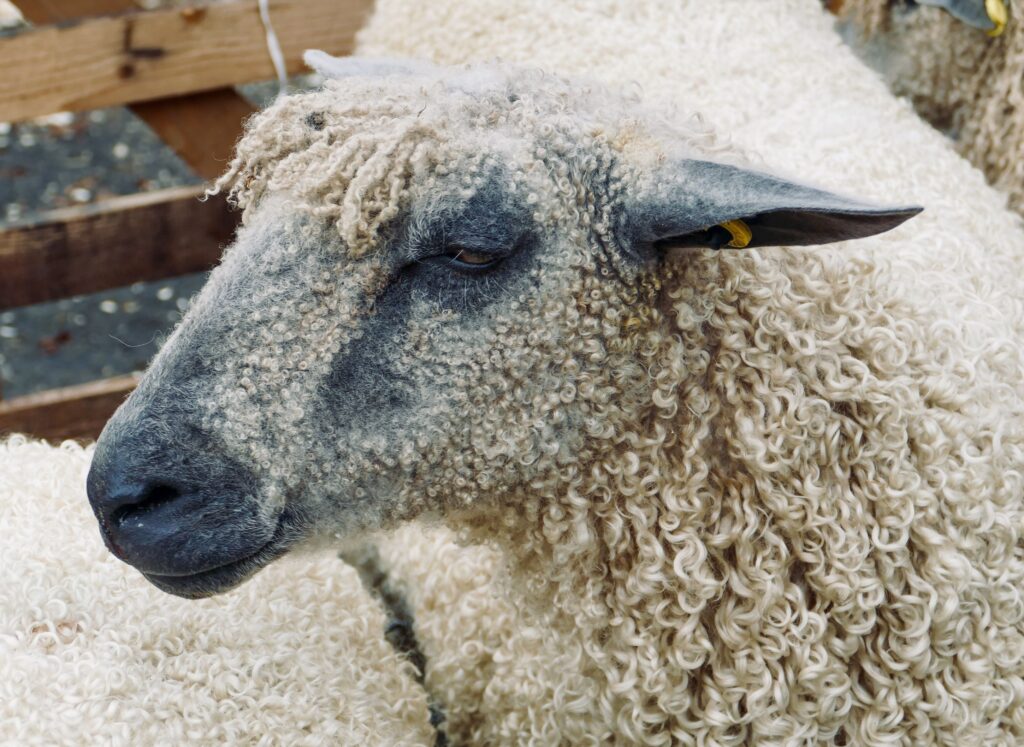
Understanding the textile market is key to producing and marketing wool. Most brands have targets to source responsibly, adhering to standards such as the Responsible Wool Standard (RWS) – a voluntary global certification ensuring traceability, animal welfare and land management standards.
A great deal of knowledge and expertise is needed to access the higher end of the market, but the financial rewards are significant if you can meet the standards required. If the focus switches to wool quality and direct supply, it will enable wool production to shift from being a by-product to a textile raw material and a genuine enterprise in its own rights.
Conclusion
It seems there is still a way to go before large-scale commercial flocks focus on wool production but with sustainability at the forefront, it could be time to reconsider switching to a shedding breed and instead look at how wool may have the potential to help farmers generate multiple income streams from their sheep enterprises in the future.
To discuss this further, please contact Gemma Drewett at gemmadrewett@fcgagric.com or your local FCG Office.
Categories
- Andover
- Arable & Crops
- Avon Meadow Sheep Group
- Beef
- Business Briefing
- Business Briefings
- Business Management
- Calne Dairy
- Carmarthen
- Chippenham
- Dairy & Forage
- Dairy Farming
- Discussion Groups
- Diverse Swards Group
- Diversification
- Environment
- Farm Assurance
- Gillingham Grazers
- Gloucester
- Grant Funding
- Guest article
- Health and Safety
- Human Resources
- Lincoln
- Midwest Grazers
- Milkwell Group
- News
- North Wiltshire Arable Group
- Office
- Organic
- Pigs
- Planning
- Regenerative farming
- Sheep
- Sherborne
- Soil
- South West
- Staff News
- Stafford
- Technical Update
- Uncategorized
- Wessex
- Wessex Springers
- WHDDG