Steph Emmerson (FCG WhiteAvon)
Sheep are often overlooked in conversations about regenerative agriculture, yet they hold enormous potential within pasture-based and mixed farming systems. This session at Groundswell explored how sheep can play a vital role in building more resilient, productive, and sustainable farms, if managed with intention.
Drawing on case studies from upland, lowland, and mixed farms, the session highlighted how well-managed sheep systems can significantly improve soil health, increase pasture diversity, and help naturally manage parasite cycles. Integrating sheep into wider farm rotations can also strengthen business resilience by diversifying income streams and reducing reliance on external inputs.
For arable farmers in particular, the opportunities are substantial. Grazing sheep across arable land can boost organic matter, improve soil structure, and reduce cultivation and input costs. Their impact on nutrient cycling and weed control can translate directly into lower production costs and healthier soils over time.
Importantly, embracing sheep doesn’t mean you need to become a sheep farmer yourself. A growing number of collaborative models show that partnering with someone who already has the skills, passion, and livestock can unlock these benefits without adding complexity to your business. By simply allowing sheep to graze your land, you can harness their regenerative potential while focusing on your core enterprise.
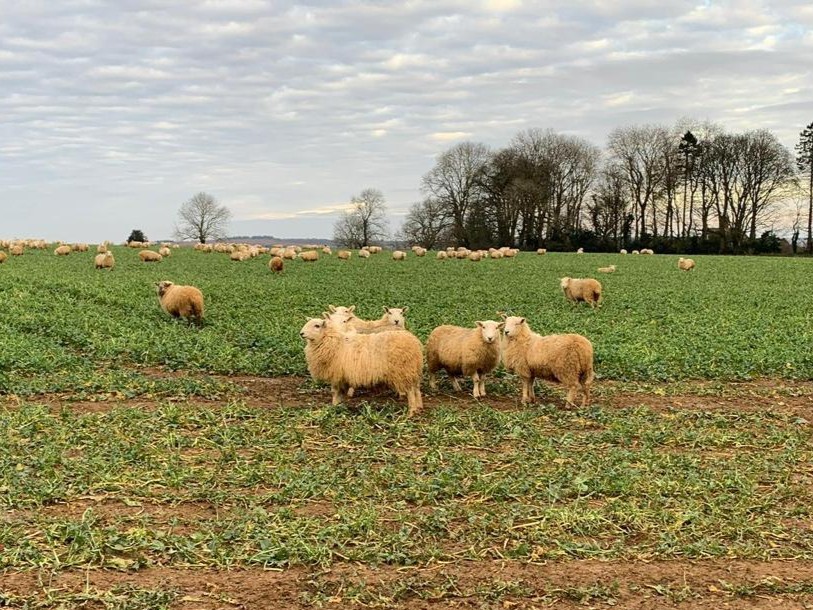
While challenges remain, including labour demands, infrastructure needs, parasite pressure, and market signals that often discourage sheep integration, the opportunities are clear. With the right management and partnerships, sheep can once again become a powerful tool in building regenerative, profitable, and resilient farming systems.
To discuss further please contact Steph Emmerson at stephemmerson@fcgagric.com or your local FCG Office.
Categories
- Andover
- Arable & Crops
- Avon Meadow Sheep Group
- Beef
- Business Briefing
- Business Briefings
- Business Management
- Calne Dairy
- Carmarthen
- Chippenham
- Dairy & Forage
- Dairy Farming
- Discussion Groups
- Diverse Swards Group
- Diversification
- Environment
- Farm Assurance
- Gillingham Grazers
- Gloucester
- Grant Funding
- Guest article
- Health and Safety
- Human Resources
- Lincoln
- Midwest Grazers
- Milkwell Group
- News
- North Wiltshire Arable Group
- Office
- Organic
- Pigs
- Planning
- Regenerative farming
- Sheep
- Sherborne
- Soil
- South West
- Staff News
- Stafford
- Technical Update
- Uncategorized
- Wessex
- Wessex Springers
- WHDDG