Max Sealy (Chippenham)
The dairy market seems volatile with changes in prices from record highs and record falls for the last 12 months. In a free market, market conditions will always set prices but for individual businesses, decisions about investment and the long term future in the dairy industry need to be carefully considered.
For those businesses with succession and a good business plan there is a good future in the dairy industry. For others where there is no immediate succession and there are difficulties with the current business operation, there will come a time when they have to consider their future direction.
For many family businesses cost of production is ranging anything between 38p and 42p per litre with a lot of family labour often involved in these business structures. For these types of businesses, the decision as to whether to invest and remain dairy is multifactorial, including succession, location, land type, alternative uses of buildings and overall debt position.
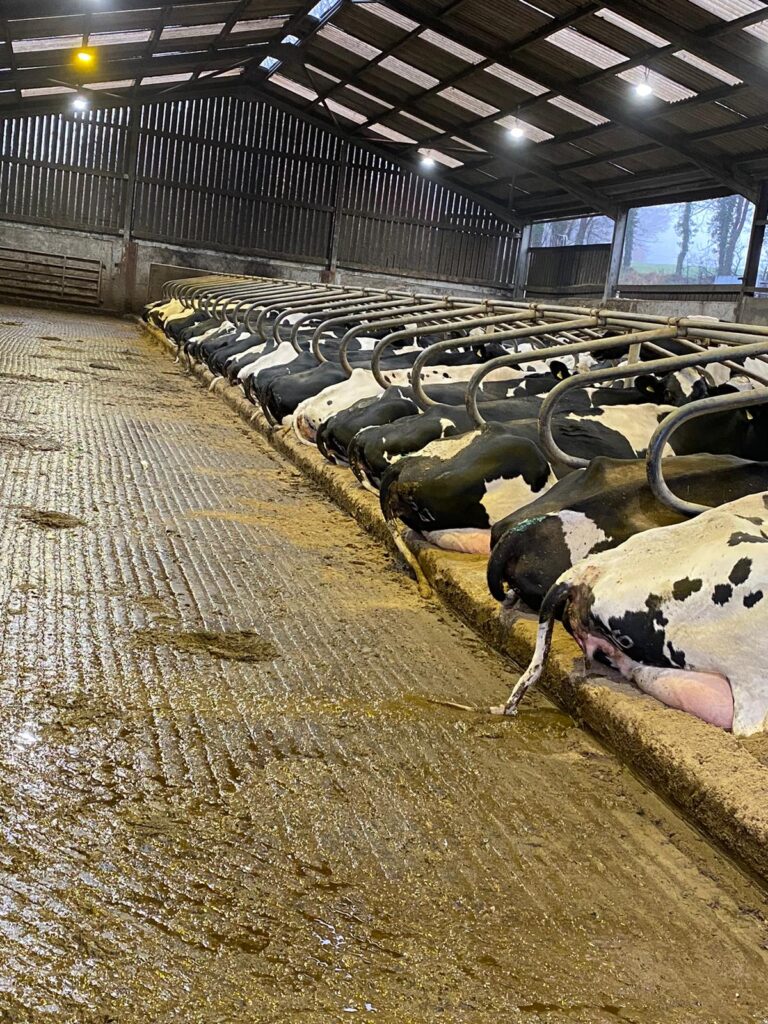
One major factor now is the cost of reinvestment and particularly the cost to comply with current and future legislation for environmental purposes particularly slurry and silage storage.
To put this in context when money could be borrowed at 4% interest, £100,000 over 15 years, cost £8867 in capital interest per year making the total cost of the borrowing this money £133,000 before tax and not accounting for any capital allowances. The same cost today at 8% is £11,467 per year costing £172,000 in total over that same borrowing period. To further extend this example, a business needing to borrow £200,000 to build a slurry store, £200,000 to put in a new parlour and £200,000 to comply with silage storage requirements, the cost of repaying this money over 15 years has risen from 2.62 pence per litre per year over that period to 3.42 pence per litre per year. There will be tax relief on the interest and profitable businesses will gain some capital allowances on some of these investments. Nonetheless this is a big commitment and further exacerbated by the increase in interest rates, and one that needs to be carefully considered alongside other uses for that capital.
A number of businesses are now applying for the second round of slurry storage grants and there are of course, some small grants available for some aspects of fittings in parlours and prospect of grants on cattle buildings in the future. Nonetheless, the vast majority of this capital will have to be funded from within the dairy business. The market needs to be aware of this in future in the way in which milk is priced in order to secure long term volumes. Dairy farming done well has always proved a good business model but with cost of environmental compliance, particularly adding little if anything at all to productive capacity combined with the hassle of getting planning permission and the alternative uses of capital, it is clear that there are a number of decisions to be thought through.
A good appraisal of the business and scoping of different options is often a good way to do this. It means your business is ahead of the game as environmental legislation comes forward and puts your business in a stronger position.
Contact Max at maxsealy@fcgagric.com or your local FCG office, for independent advice on how strong your business is to cope with the legislation and compliance that will be enforced on livestock farms in the future.
Categories
- Andover
- Arable & Crops
- Avon Meadow Sheep Group
- Beef
- Business Briefing
- Business Briefings
- Business Management
- Calne Dairy
- Carmarthen
- Chippenham
- Dairy & Forage
- Dairy Farming
- Discussion Groups
- Diverse Swards Group
- Diversification
- Environment
- Farm Assurance
- Gillingham Grazers
- Gloucester
- Grant Funding
- Guest article
- Health and Safety
- Human Resources
- Lincoln
- Midwest Grazers
- Milkwell Group
- News
- North Wiltshire Arable Group
- Office
- Organic
- Pigs
- Planning
- Regenerative farming
- Sheep
- Sherborne
- Soil
- South West
- Staff News
- Stafford
- Technical Update
- Uncategorized
- Wessex
- Wessex Springers
- WHDDG