Elizabeth Bell (FCG Midwest)
Foliar fertiliser is becoming increasingly popular due to its benefits during adverse weather conditions which are becoming more frequent.
Foliar fertiliser enters the plant through the stomata located on the top and bottom of the plant leaves. This is a quick process which encourages the plant to increase its water uptake. This subsequently promotes root growth which increases nutrient absorption through the soil.
As the nutrients enter through the leaves the uptake can be more than twice as effective as granular fertiliser. This means there is less waste, so the product is more cost effective.
During a drought the nutrients are still absorbed as they are not reliant on the soil containing enough moisture – this helps increase yields during adverse weather.
Studies have shown that the level of sugar in grass fed with foliar fertiliser was higher before cutting than compared to granular fertiliser applied grass. Another study showed that whilst yield was higher with granular fertiliser, dry matter yield doubled with foliar fertiliser which suggests that Nitrogen usage is considerably more effective.
Although the nutrient availability is much shorter than granular fertiliser. Granular fertiliser is much slower releasing so there is a more consistent supply of nutrients, and a more efficient heavier pre plant application can be applied.
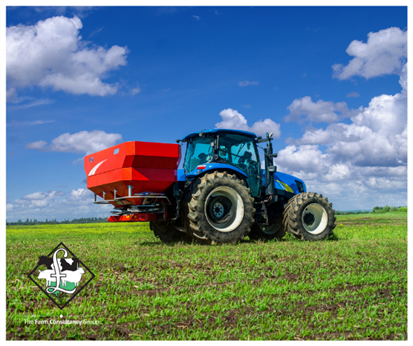
Overall studies have shown that foliar fertiliser is more efficient than granular, but there are many other factors to consider. These include ownership of a sprayer or fertiliser spinner, do your fields have many pylons or telegraph poles to navigate round, more timeliness of application to grassland and other crops are essential with foliar applications requiring more labour?
To discuss using foliar fertiliser on your farm, please contact your FCG FACTS consultant or your agronomist.
Categories
- Andover
- Arable & Crops
- Avon Meadow Sheep Group
- Beef
- Business Briefing
- Business Briefings
- Business Management
- Calne Dairy
- Carmarthen
- Chippenham
- Dairy & Forage
- Dairy Farming
- Discussion Groups
- Diverse Swards Group
- Diversification
- Environment
- Farm Assurance
- Gillingham Grazers
- Gloucester
- Grant Funding
- Guest article
- Health and Safety
- Human Resources
- Lincoln
- Midwest Grazers
- Milkwell Group
- News
- North Wiltshire Arable Group
- Office
- Organic
- Pigs
- Planning
- Regenerative farming
- Sheep
- Sherborne
- Soil
- South West
- Staff News
- Stafford
- Technical Update
- Uncategorized
- Wessex
- Wessex Springers
- WHDDG