Kimberley Broughton (FCG WhiteAvon)
Herbal leys are becoming more common on livestock, mixed and regenerative farms, especially since environmental schemes such as SFI and Mid-Tier have been helping to fund them. But are you making the most out of your ley?
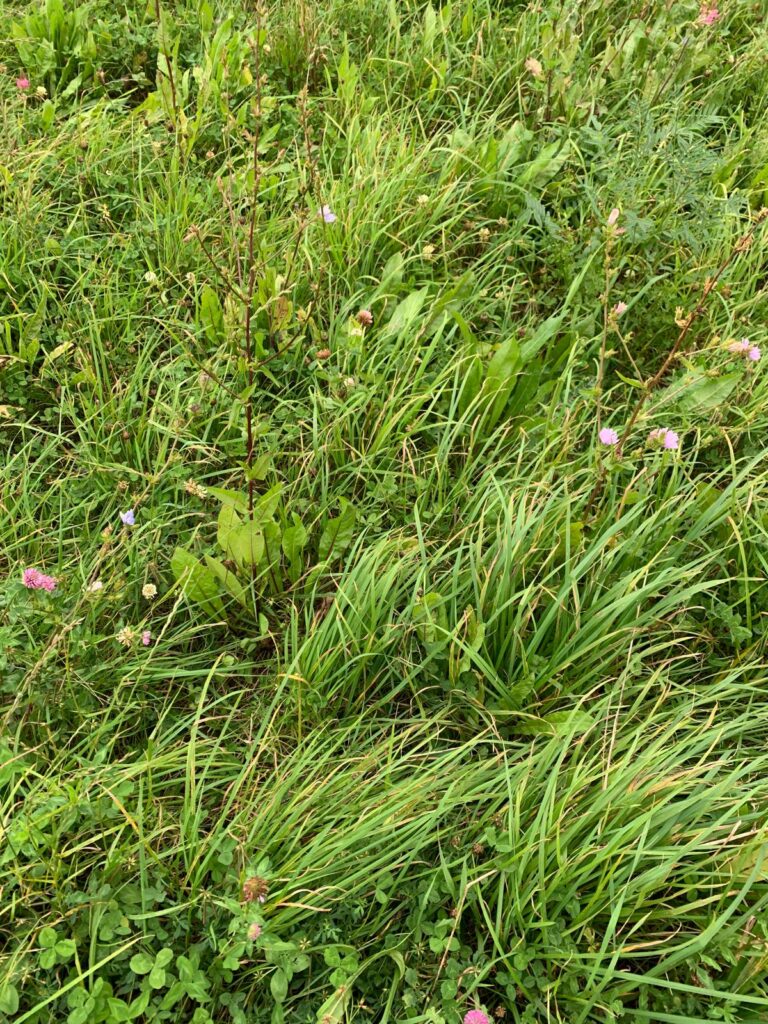
An herbal ley is a mix of grasses, legumes and herbs, such as ryegrass, cocksfoot, clover, lucerne, sainfoin, chicory and plantain. Each plant has a job to do, whether that is fixing nitrogen, improving soil structure, providing minerals for stock or keeping growth going in drier weather.
For farms, they can work well in a rotation, as grazing ground, or as a cutting ley, but the mix needs to suit the soil type, stocking system, rainfall, pH, nutrient status and how the field will be managed. A ley for sheep grazing may need a different balance from one intended for silage or cattle grazing.
Positives:
- Soil improvement: deep-rooting species such as chicory, plantain and lucerne can help open up compacted layers, improve water infiltration and make the field more resilient in both dry and wet conditions. On lighter or drought-prone land, this can help keep forage growing for longer when a simple ryegrass sward may slow down.
- Nitrogen fixing: legumes such as red and white clover, vetch, lucerne and sainfoin can fix nitrogen, which may reduce the need for bought-in fertiliser. With fertiliser prices and environmental pressure both important issues, this can be a useful saving, provided the ley establishes well and the legume content is maintained.
- Palatability: herbal leys can offer a more varied bite. Grasses provide energy, legumes provide protein, and herbs can contribute minerals and trace elements. When grazed correctly, they can support good liveweight gain, milk from forage and stock performance. They may also help spread growth through the season because different species perform at different times of year.
- Biodiversity: if some areas are allowed to flower, they can provide food for pollinators and beneficial insects. This can support wider farm environmental aims and may fit well with soil health, carbon and nature-based schemes.
Negatives:
- Establishment: herbal leys are not always easy to establish. A fine, firm and clean seedbed is important, as many herbs and legumes have small seeds and should not be drilled too deep. Soil temperature and moisture also play a role in the ley’s success, so timing is critical. If conditions are poor, the ley can be patchy, with the more competitive grasses taking over before the herbs and legumes have a chance.
- Weed control: a herbal ley contains broad-leaved herbs and legumes which means many standard sprays are not suitable. Docks, thistles and other weeds are best dealt with before sowing where possible. Good establishment, tight grazing control and avoiding bare ground are often an answer.
- Grazing management: if stock are left for too long in one area, they may selectively graze the most palatable species and weaken the ley. Overgrazing during establishment can be especially damaging. Rotational grazing, suitable rest periods and leaving enough residual cover can help the sward last longer and keep more species in the mix.
- Cost: herbal ley seed mixtures can be more expensive than standard grass seed, and the return depends on establishment, persistence and how well the ley is used. Farmers also need to think about fencing, water troughs, gateways and cutting dates for grazing management and the success of the ley.
Practical points before sowing: check soil pH and nutrient status, choose a mix that matches the field and stock, prepare a firm seedbed, sow shallow, roll well, control weeds before drilling and avoid heavy grazing until the ley is properly rooted. It is also worth starting with one or two fields first, then adjusting the mix once you know what works on your farm.
Overall, herbal leys can be a useful tool for improving forage, soil health and resilience, but they are not a quick fix. The best results come when they are planned properly, matched to the farm and managed with the same attention as any other crop. For farmers willing to get the establishment and grazing right, they can offer both practical and environmental benefits.
If you would like to discuss this further, please contact Kimberley Broughton at kimberleybroughton@fcgagric.com or your local FCG office.
Categories
- Andover
- Arable & Crops
- Avon Meadow Sheep Group
- Beef
- Business Briefing
- Business Briefings
- Business Management
- Calne Dairy
- Carmarthen
- Chippenham
- Dairy & Forage
- Dairy Farming
- Discussion Groups
- Diverse Swards Group
- Diversification
- Environment
- Farm Assurance
- Gillingham Grazers
- Gloucester
- Grant Funding
- Guest article
- Health and Safety
- Human Resources
- Lincoln
- Midwest Grazers
- Milkwell Group
- News
- North Wiltshire Arable Group
- Office
- Organic
- Pigs
- Planning
- Regenerative farming
- Sheep
- Sherborne
- Soil
- South West
- Staff News
- Stafford
- Technical Update
- Uncategorized
- Wessex
- Wessex Springers
- WHDDG